Healthcare Workers
How can healthcare workers improve healthcare for autistic cancer patients?
1. Involve Family and Caregivers Early
-
Invite caregivers to appointments, procedures, and treatment planning.
-
Ask caregivers about the patient’s communication style, sensory triggers, and calming strategies.
-
Use caregivers as partners who can explain behaviors, interpret distress, and help the patient feel safe.
2. Reduce Sensory Overload
-
Offer quiet waiting areas or allow the patient to wait in the car until their appointment.
-
Dim lights, reduce noise, and limit unnecessary physical contact.
-
Explain upcoming sounds, smells, or sensations before they happen.
3. Provide Predictability and Structure
-
Keep the same staff members whenever possible.
-
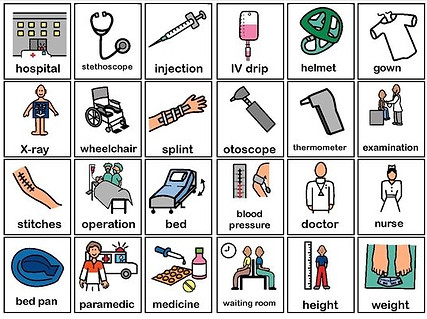
Use visual schedules, step‑by‑step explanations, or written instructions.
-
Warn the patient ahead of time about any changes in rooms, routines, or procedures.
4. Communicate Clearly and Flexibly
-
Use simple, direct language without metaphors.
-
Give extra processing time before expecting a response.
-
Allow alternative communication methods (writing, gestures, AAC devices).
5. Adapt Treatment Plans to Individual Needs
-
Adjust treatment delivery methods if sensory issues make certain procedures difficult.
-
Schedule appointments at times when the patient is least likely to be overwhelmed.
-
Ask caregivers what the patient’s “normal” behavior looks like so providers can recognize pain or side effects.
6. Train Healthcare Workers in Neurodiversity‑Informed Care
-
Provide training on autism, sensory needs, and communication differences.
-
Teach staff how to collaborate with caregivers and how to recognize masked symptoms.
-
Encourage empathy and patience as core skills in oncology care.
7. Build a Supportive, Respectful Environment
-
Validate the patient’s needs instead of dismissing them as “difficult behavior.”
-
Encourage caregivers to share cultural or religious factors that may affect treatment.
-
Treat autistic patients as equal partners in their care, even if they need support to participate.